
Find the Sussex County Property Owner
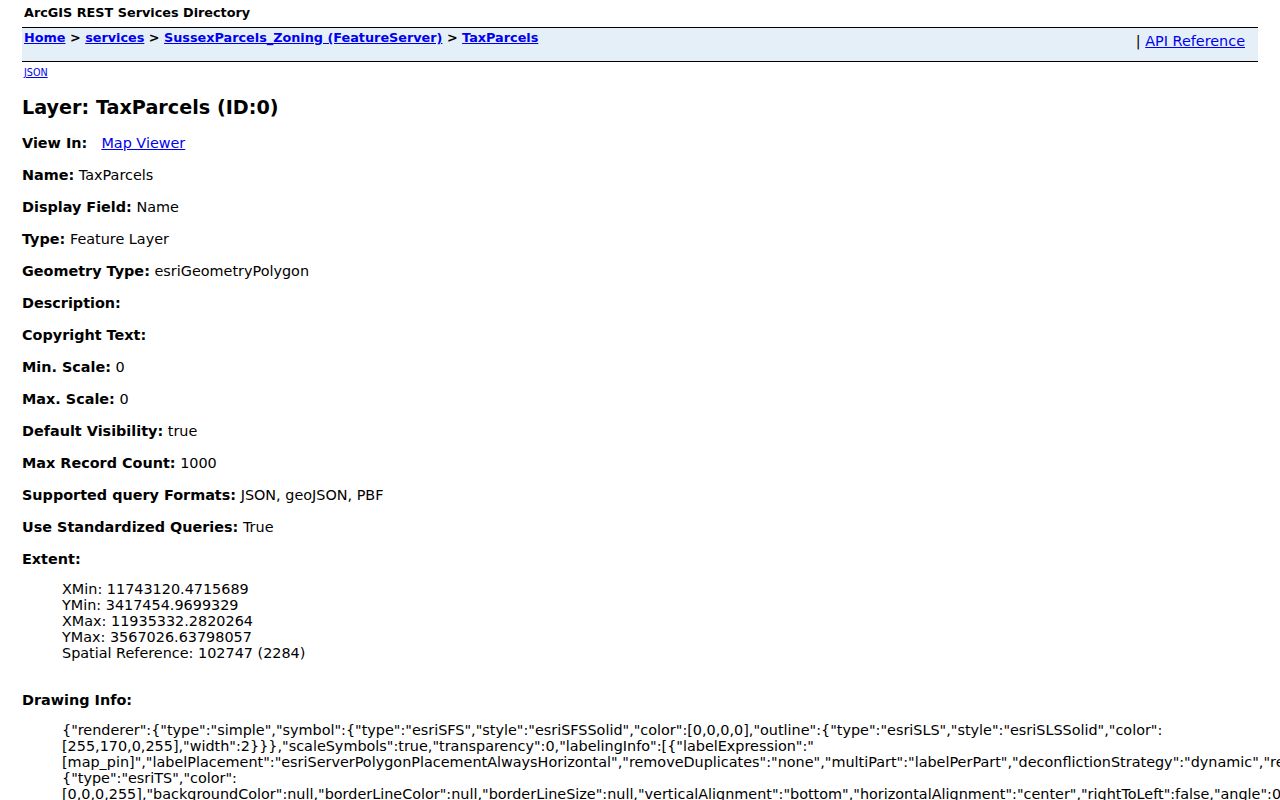
The path runs from address to parcel. Then it moves to the administrative name field. Finally it reaches the newest deed. Sussex County's Tax Parcels service lists a `map_pin`, `tax_map`, section, block, lot, account number, name, address and value attributes. No refresh schedule is published. The county also does not define what the `name` field means. Treat it as a lead. It is a starting point for a deed records search, not proof on its own.
- Find the parcel in county GIS by road or address and copy its map pin, tax map and legal description.
- Read the name/owner field and note the retrieval date and any PRC or CAMA link.
- Find the latest recorded deed at the Circuit Court Clerk and compare grantee and legal description.
- If an entity holds title, confirm its exact legal name through the Virginia SCC and the deed.
- Use a public mailing address only for lawful correspondence; it does not identify occupancy.
Sussex County Owner Sources Compared
Each office answers a different version of the question “who owns this property?” The GIS parcel layer offers a name clue. That clue is tied to the parcel number. The deed index names the grantee in a recorded instrument. The e-Treasurer system tracks tax accounts and payments on the tax roll. Virginia's SCC can surface a business entity's registration details. It never replaces a deed search for land title.
| Source | Owner information | What to confirm |
|---|---|---|
| Sussex Tax Parcels GIS | `name` plus parcel and address fields | Meaning and refresh date are not published in the schema |
| Circuit Court Clerk | Grantee and grantor in recorded instruments | Match the parcel description and later transfers |
| Commissioner of the Revenue | Real-estate assessment record | Ask for field definitions and assessment date |
| Virginia SCC | Entity name, status and registered-agent information | Compare the exact entity named in the deed |
The Sussex County Tax Parcels schema displays the owner/name and parcel attributes available to map users.
The tax payer, the mail recipient, the deed grantee and the occupant can all be different people. They can also be different entities. Keep each label tied to its source.
The Clerk's published land-record page carries its own coverage statement and remote-access route. Remote PDF images are labeled unofficial. They require a subscription, at $300 for one year or $150 for six months. When a legal or transaction decision turns on the ownership history, use the index citation to request the official record from the Clerk. That request should reach for the latest grantor/grantee instrument on the same parcel. Do not rely on just the name the GIS returned. The county's deed records reach back to 1754 and run through the most recently completed deed book.
To reconcile a result, write down the map pin, tax map, account, lot and block reference, and the legal description. Only then compare names. The county schema contains two possible parcel-card links, `PRC_LINK` and `cama_link_1`. If one opens, note what it actually displays and its assessment year. The attribute names alone do not establish that any link is active or current. So treat a parcel card as another clue rather than an answer.
Remember where authority rests. The remote image site requires credentials and calls its images unofficial. The Clerk holds the official record of the deed.
When a Sussex County Parcel Has an Entity Owner
Land can be titled to an LLC, a trust, an estate, a trustee, an executor, an administrator. It can also be titled to multiple heirs. Search the exact name shown in the deed rather than substituting a member's or trustee's personal name. The Virginia SCC business-entity search can explain a company's public registration, agent or office. Those details never prove that a person owns the underlying real estate.
For an estate transfer, Sussex wills and estate records are not online through the Clerk's land-record page. Request the probate file separately and look for the authority to convey. Then locate the executor's deed, deed of distribution or a conveyance from heirs. The deed and the estate file answer different parts of the ownership question.
An older name may lead to a deceased owner. Distinguish the date of death, the date an estate representative qualified, and the date a land instrument was recorded. Heirs may appear jointly on the deed records. Alternatively, a fiduciary may convey the tract under court authority. A will explains the intended disposition. But the recorded deed and the estate order must be reconciled before you name the present owner of record.
Records Behind a Sussex County Owner Name
The GIS `name` field is a map-service attribute, nothing more. The county's published schema gives no date for its refresh. It never promises the field matches the deed owner. A recently recorded conveyance can appear in the Clerk's deed index before the GIS name changes. When the question is who owns a particular property now, compare the field against the newest deed. Note when each record was retrieved.
| Source | Owner Info It Gives | Access |
|---|---|---|
| GIS Tax Parcels | Map-linked name, addresses and parcel keys | Public ArcGIS schema and map |
| Latest deed | Recorded grantor, grantee and legal description | Clerk index/images or office request |
| Assessment office | Assessment record and local field definitions | Commissioner of the Revenue |
| Virginia SCC | Business-entity registration details | Official entity lookup, not land title |
A mailing address may sit outside Sussex County and receive tax notices for an owner who never lived at the parcel. A situs address points to the property location. Neither one proves who occupies the building. Use the legal description to bridge the GIS feature and the deed, and never treat administrative contact details as evidence of presence on the land.
Town Names Do Not Set Sussex County Ownership
Waverly, Wakefield, Jarratt and Stony Creek are incorporated towns. Even so, Sussex County deeds, assessment records and tax accounts cover properties inside them. Town offices add zoning, building-code and local government records. Jarratt is an edge case. The town straddles the Sussex and Greensville County line, so confirm the boundary before searching a Circuit Court Clerk or tax system.
ZIP labels also spill past town limits. A Waverly ZIP may serve precinct addresses elsewhere in the county, and Jarratt-area locations may use a Stony Creek mailing line. Match the parcel polygon and the legal locality. The city text in an address is not enough.
Town staff can answer zoning, code or utility questions. They do not replace the county custodians for Sussex County deeds, assessments or tax accounts. For a parcel near a town edge, keep the TownBoundary and county-boundary results with the parcel key, since a planning approval may explain an allowed use without showing who holds title.
Sussex County Owner Names and Privacy
Recorded land instruments and parcel assessment fields can show owner names and mailing addresses. Redaction rules still apply. Do not seek or repeat protected personal data. Virginia FOIA governs County Administration records, while Clerk, court and town records follow separate custodial rules. Redaction or address-confidentiality questions go to the Clerk or the relevant state program.
Public records support purchase diligence, boundary research, tax review and civic transparency. They never permit following, confronting or threatening anyone. The county publishes no property-fraud-alert signup. Confirm any claimed monitoring service directly with the Clerk before trusting it.
A focused request names the parcel. It also names the source office. The FOIA route covers only records County Administration holds. Deed images, Treasurer account details, assessment cards, town zoning files and court probate records may sit with their own custodians or access rules. Ask which record set is available. Ask whether a copy fee applies and whether the information is public. Settle those questions before circulating any name or address.
For a recent purchase, describe the latest transfer by its recorded deed date and reference, and state separately what the tax parcel name field showed on the date you viewed it. For a business, an SCC filing identifies a registered entity and its contact information, not members' beneficial interests. Those distinctions keep owner-of-record claims precise.
Limits of a Sussex County Ownership Lookup
A Sussex County owner lookup can match a name to an assessment field or a grantee on a recorded instrument. That is where it stops. It cannot prove who lives there. It cannot prove an entity's members, either. For a title free of every claim, review the chain and liens with a qualified title professional, and use a surveyor for boundary questions.
Lawful use. Use Sussex County ownership records for property diligence and civic research. Do not use owner information to stalk, harass or harm anyone.